
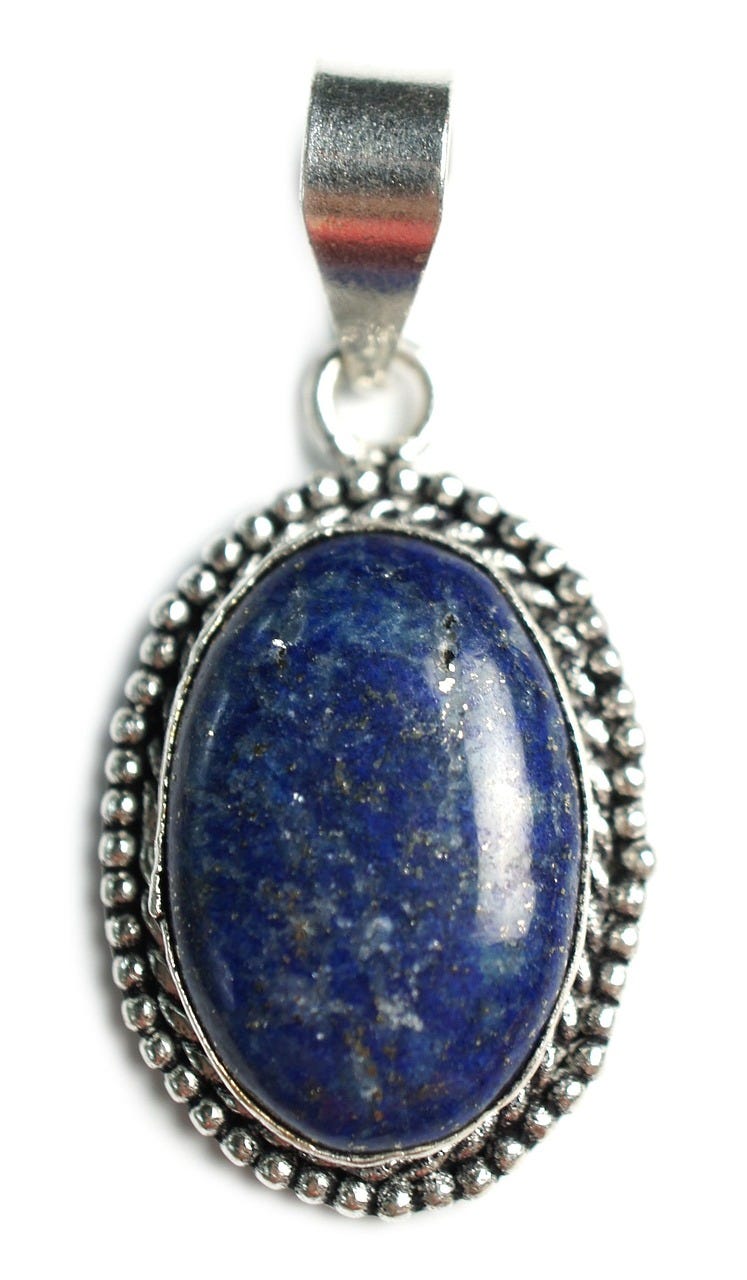
So what exactly is lapidary? Well, it depends on which definition of the word you’re going by, but it usually describes the art of manipulating stone and gemstones using various methods into decorative works of art. It can also be used to describe someone who does lapidary. Sometimes it is also used to describe the equipment or literature used in the lapidary process.
Types of Lapidary Arts
Generally speaking, modern lapidary falls into a few basic categories, depending on who you are talking too. Here are the divisions that I like:
-
Tumbling
-
Cabbing
-
Carving
-
Engraving
-
Faceting
Tumbling
Have you ever picked up a stone out of a river bed? If you have, there is a very good chance that the stone itself felt smooth and rounded to the touch. It may even have a polished look or feel to it. This comes from the rock being tumbled and beaten by other rocks and the water itself as it exists in the river bed.
Well, at some point, a lapidarist (someone who practices lapidary, also called a lapidary… yeah, it can get confusing. Wait until I go into the actual etymology of the word and the history in a later post. It’s pretty wild.) wanted to get the same effect. So they took some stones, put them into a container with an abrasive, and mimicked what the river did over time.
Tumbling can act as the gateway point to the other subcategories. It’s pretty easy to do, relatively cheap (most tumblers range in price between $30 and $500), and for the resultant rocks can be used in multiple different projects. For many it’s a great introduction.
However, there are some drawbacks to rock tumbling. First, it can be messy. The grit slurry used as the abrasive can get into absolutely everything. Be fully prepared to dedicate a set of clothes, a section of your yard or garage, or basement to being permanently embedded with grime. Second, it can take a good amount of time. If you’re looking for something with a quick turn around time, this is probably not the best choice.
Can you make money tumbling rocks? Yes and no. Tumbling rocks is a fantastic way to get material to use in other pieces, but if you want to make any type of income from tumbled rocks themselves, you’d have to deal with quantities that are just not economically feasible for most individuals.
However, the next category may be a more pragmatic choice in that regard.
Cabbing or Cabochon Cutting
Cabochon cutting, or what is more commonly known as cabbing is one of the easiest ways to learn about lapidary. It is the art of making cabochons. Cabochons, are stones or gemstones that have been ground and polished into rounded shapes, with one side that is usually flat. They can be used in pendants, earrings, rings, and in mosaic artwork to name a few. It is also an ancient art, with examples of cabochons. existing from ancient Mesopotamia, Greece, and Egyptian artifacts to name a few.
Next to tumbling, cabbing is one of the most straightforward techniques to learn. It simply takes a series of grinding abrasives, water to cool the stone, if needed, patience and time. The trick for cabbing is to not rush things, and to allow the grinding wheel and stone to work together to get the shape and final polish that is desired.
Just like anything else, the equipment needed for cabbing can range in price. Most cabbing machines, which have successively finer grits on the multiple grinding wheels start around $200 for basic models, and top out at around $1500 for the more expensive ones. However, there are ways to reduce the initial cost to around $100 if money is an issue. The low cost versions, however, don’t often last as long, and will require more effort on the part of the lapidarist.
Is cabbing a good way to make money? It can be. It depends on the quality of the stone used, and the skill of the lapidarist. Some pieces of jewelry made with cabochons. can easily be sold for hundreds of dollars to the right customer. Or, you can use a quantity model if you have the time and inclination. For most people, cabbing starts as a hobby, and they accidentally stumble into the business side of things later.
Cabbing is honestly a very fun, relaxing and relatively inexpensive way to create something beautiful out of small stones, and I highly recommend it to all who want to give it a try.
Carving
Gemstone or small stone carving involves the use of tools and materials to carve small stones or gemstones into recognizable 3D objects. They final object can be just about anything. Examples from history range from scarab beetles and frogs, to dragons and abstract art. The main characteristics is that they are three dimensional, relatively small, and very detailed.
The tools used in gemstone or small stone carving in modern times consist primarily of a rotatory tool, diamond or carbide tipped burrs depending on the stone being carved, possibly a wet saw, and polishing equipment and compounds for finishing the project.
This art can be a little daunting to undertake, especially for the beginner. That being said, I strongly encourage people to try it out if they are so inclined. It is so much fun to create something using these techniques. It’s one of the best ways to use your imagination and create something truly unique.
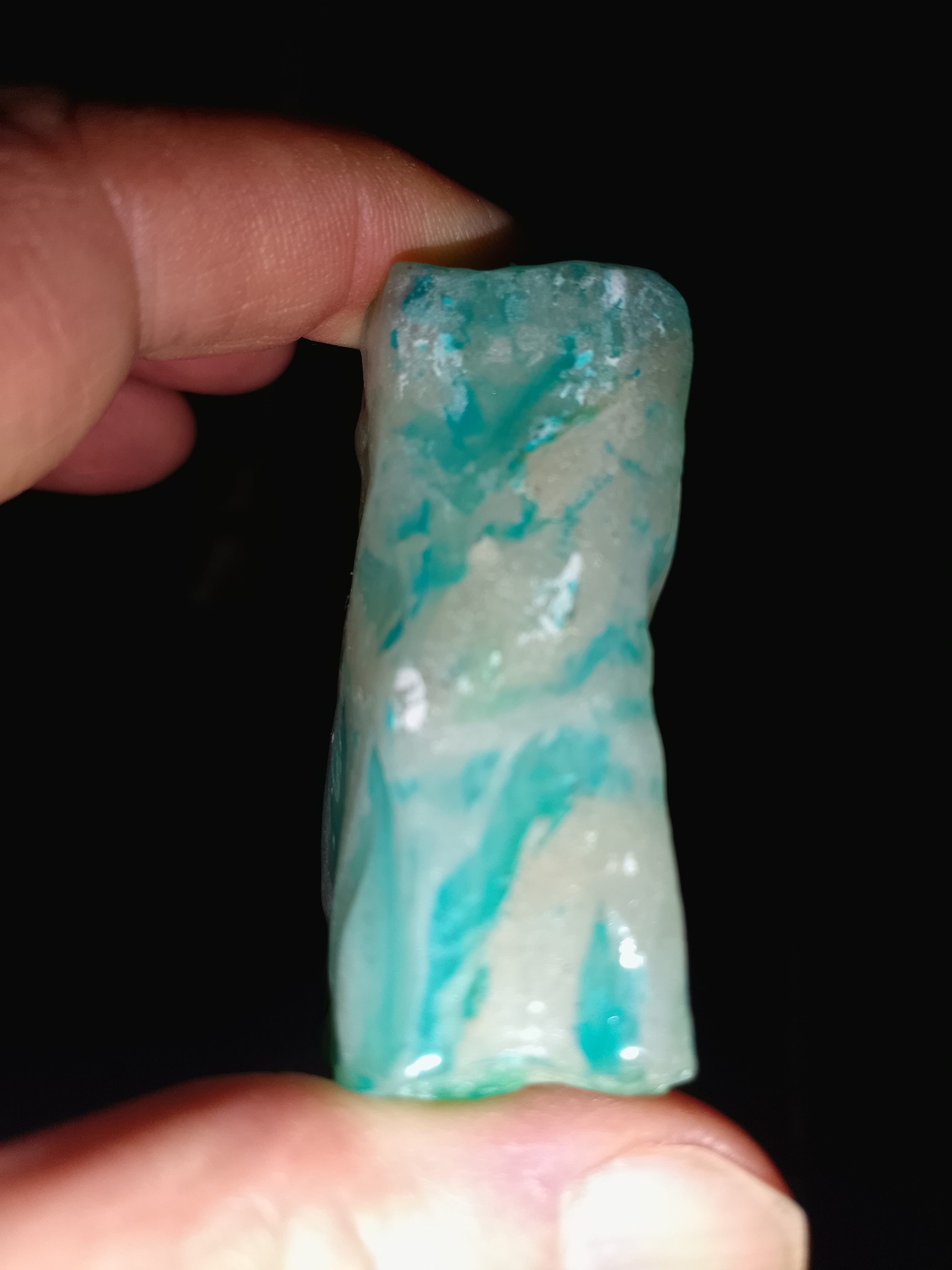
As far as the overall financial cost of carving, it can vary widely. It depends partly on whether it is done as a hobby for fun, as a business endeavor, or a mixture of both. But generally speaking the equipment needed will cost roughly between $200 and $500 for decent quality. That being said, there are cheaper options available if so desired.
A lot of the cost comes not in equipment, but in materials and time. Rough gemstones, which can often be bought in bulk range in price widely depending on the individual stone or mineral, amount purchased, and their shipping origin. There is also the cost of handling and ship, which can be significant. A hobbyist can usually get what they need by exploring their surrounding area, or buying a few rough pieces. If you want to do lapidary carving as a business, you’re looking on spending between $10 and $300 per pound of material. Each piece can take anywhere from a few hours or a few days to complete.
All that being said, a gemstone carving, completed by a skilled artist can fetch anywhere from $10 to close the $600 dollars depending on the detail and material used. Perhaps even more.
Engraving
Stone engraving is the art of creating the illusion of a three dimensional image on a two dimensional surface. You see it every day in various types of jewelry and artwork. Traditional cameos, or intaglio are two common examples of engraving.
Cameos are considered a type of positive relief engraving; it is formed by pushing away, or engraving out the area around your image to create a raised finished project. Intaglio engraving occurs when you carve into the gemstone, so that the image itself creates a negative relief compared to the surrounding stone.
Another type of engraving is known as reverse intaglio, or Essex Crystal. It is when a very detailed image is carved into the flat back of a transparent crystal, such as quartz, and then painted with oils to create a three dimensional image when viewed from the opposite side. It requires specialized tools, brushes, and sealing materials, and was very popular in the Victorian Era.
When it comes to equipment used in engraving, there are two main routes that one can take. Both have their benefits and drawbacks.
The first is to use more traditional hand tools, such as hammer and chisels, gravers, burins, files, and abrasive material. The benefits of a more traditional method is that the overall cost of materials and equipment is somewhat reduced. Also, there are less moving parts to break, and the equipment itself can last for decades if well maintained. However, using traditional hand tools for engraving takes significantly longer per piece, and can cause stress injuries over time. It is also difficult, but not impossible to get the same basic product over multiple instances.
The second set of methods used for engraving is to use more modern tools, such as machine driven rotatory tools, laser etching, or acid. Advantages of these methods include a reduction in overall time per piece, the ability to replicate designs relatively easily, and less wear and tear on your body during the production process. However, the overall convenience does come at a cost. Quality mechanized engraving equipment is markedly more expensive. In most cases you should be prepared to spend somewhere between $200 and $1000 on your set up, depending on the brands and quality desired. Also, the overall cost of maintenance and repair can be daunting to say the least. For example to maintain a mid-ranged quality laser engraver costs about 3% of the initial cost per year to maintain.
So, if your engraver costs about $600, you’ll have to spend at least $18 per year just to keep things running smoothly. And that cost doesn’t include repairs if something goes wrong.
Engraving, much like carving does take a bit of time, and patience to learn. It’s not very beginner friendly, and can be frustrating. However, with time, effort and lots of patience it can become quite rewarding. And once you get the hang of it, it can be quite fun!
As far as making money with engraving, it can be done. However, if you want to make a business out of engraving, its best to focus on quality rather than quantity. A quality engraved gemstone can sell anywhere from $30 up to $450, or $500.
Faceting
When it comes to lapidary work, most people think of faceting, or gem cutting. And it’s not surprising. A skilled lapidarist can create some truly beautiful specimens.
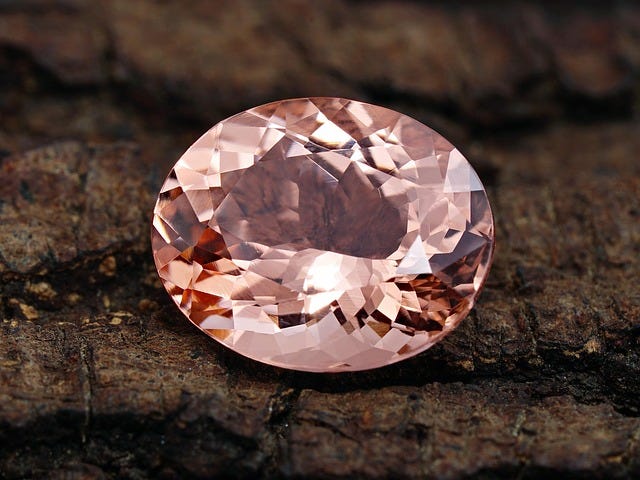
I like to think of faceting like a game of chess. Hear me out. The actual act of creating a facet in a gemstone is relatively simple. You simply position the gemstone at a particular angle to the grinding surface and grind away material until you get the size and shape that you want for that facet. One facet would be akin to one piece on the chessboard moving.
But chess isn’t played with just one piece. The same is true when faceting a gemstone. Each facet you create has it’s own part to play, it’s own “move” to make. The complexity comes in when you combine multiple facets on one gemstone. How each facet interacts with each other, and the light coming into the gemstone is essential for a great piece.
And it’s not only the size and shapes of the facets that need to be taken into consideration. Often the gemstone type, it’s clarity, and any inclusions need to be accounted for. Many lapidarist today use computer programs to help them design faceting diagrams. These diagrams then act as guides for creating a faceted gemstone.
I won’t lie to you. The equipment for faceting can be rather pricey. The initial cost can range between $200 and $2500 depending on the quality and brand desired. Then the cost of materials, such as rough gemstones, abrasives, lubricants, dopping materials, and polishing compounds can cost in the hundreds of dollars as well. For many beginning lapidarist, faceting might not be the first step to take.
Does that mean you shouldn’t give it a try? Absolutely not! In the beginning, the best course of action is to use the “try before you buy” approach, in my opinion. Go take a class at your local rock shop. Adopt a wild lapidarist. Attend the next meeting of a local rock and gem group, or lapidary group. They are often called “guilds” and are fantastic ways to get to learn techniques, talk shop and learn some great things about rocks in general. Then, if you feel this is something you want to do, make the investment, and start practicing.
Now, considering the kind of financial and time commitment that is needed for faceting, you might be surprised that you can still make a fair bit of money at it. Truth is, by the piece, faceting is one of the most cost effective ways to make money doing something that you love. Imagine working on an emerald for about four days, and being able to sell it to a jewelry maker for close to $10,000 per carat. The average is much lower than that, usually around $10 to $20 per carat, but it has been known to happen.
So What Now?
If this article has peaked your interest in lapidary, here’s what I want you to do. Three simple things:
Find a lapidary group in your area. Go to one of the meetings and just have fun. Trust me, we’re always looking for new converts.
Comment below which topic you’d like me to explore next. Right now under consideration is the history of lapidary, a deeper dive into engraving, and tips and tricks to choosing the ultimate small stone for carving.
And finally, please come over and check out my shop Tengri Treasures (www.tengritreasures.com). There you’ll find my original bead work, copper smithing, and yes a few lapidary pieces for purchase.